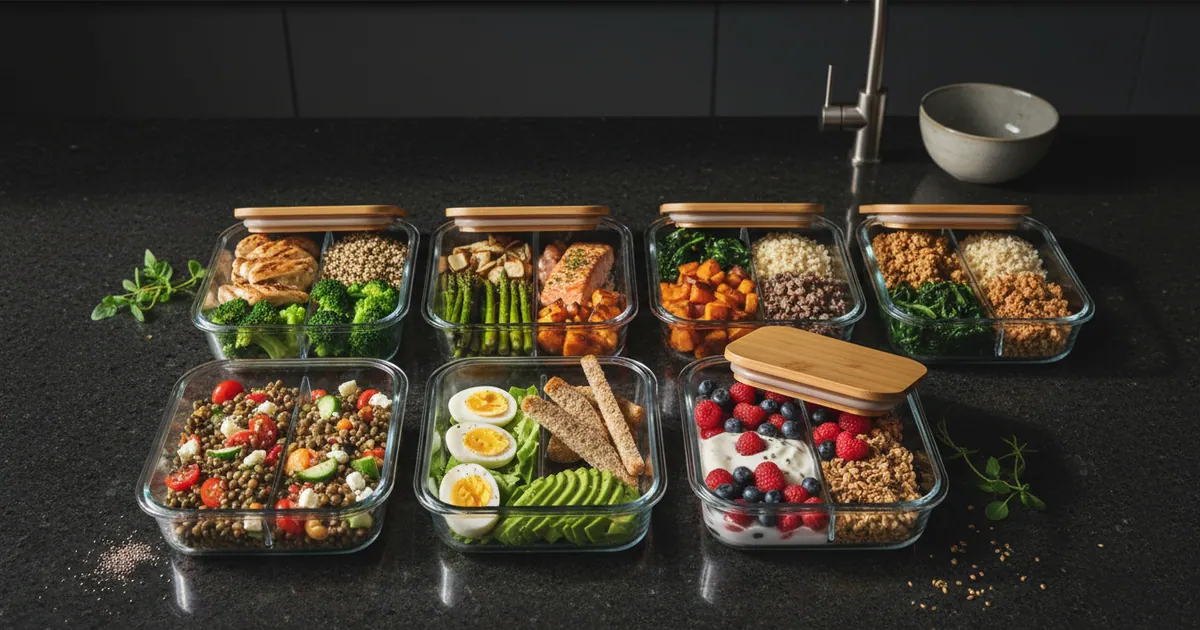
Meal Prep
Batch Cooking for Cutting
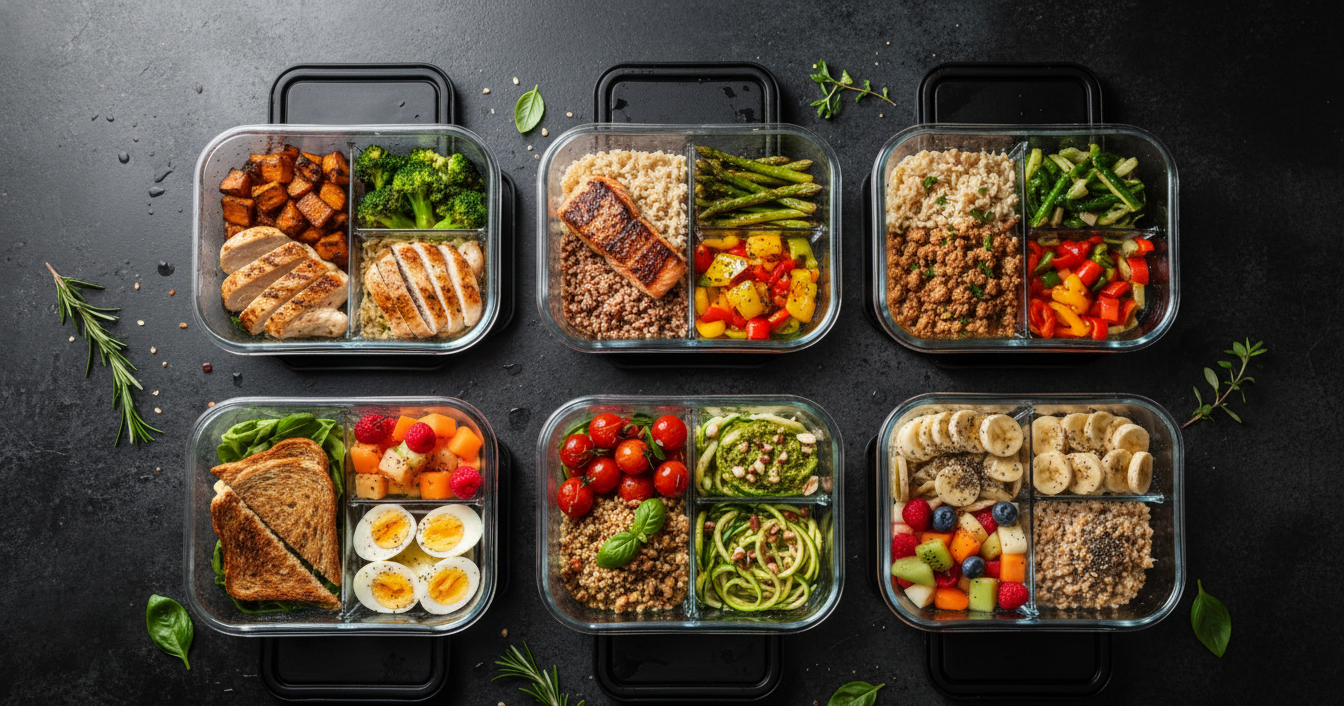
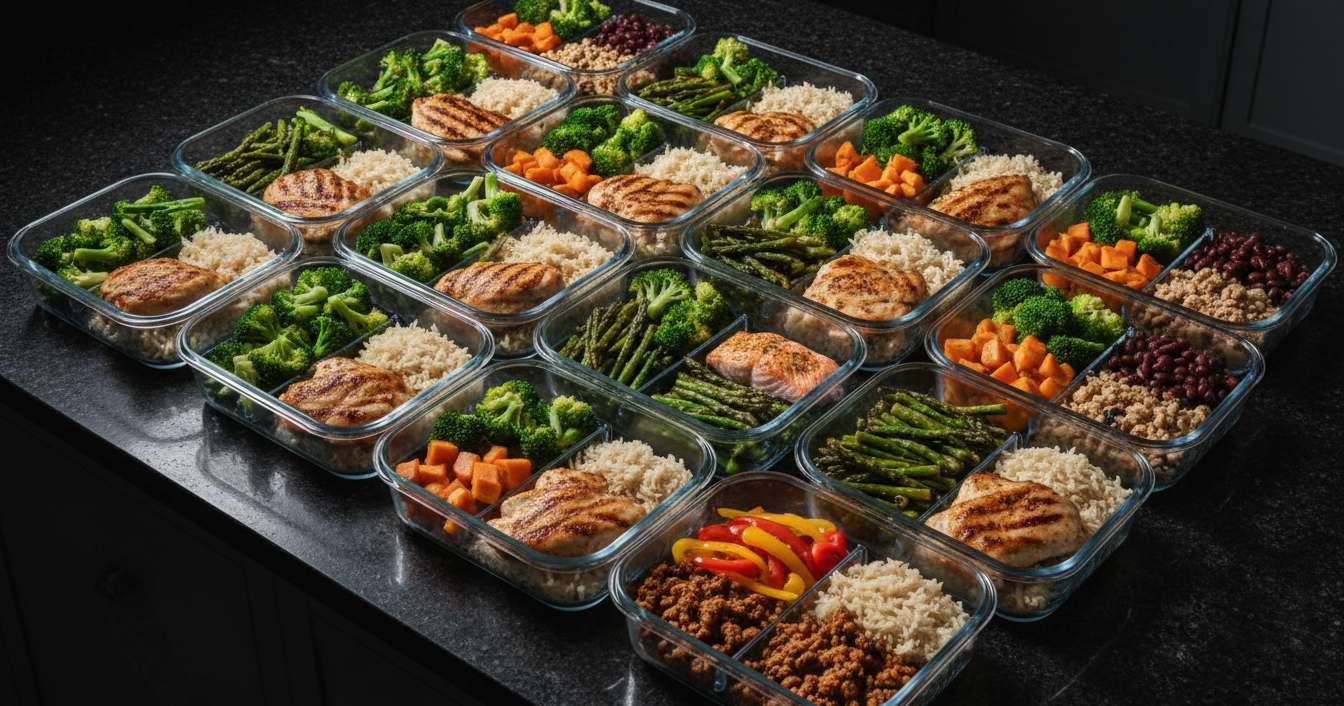
Batch cooking — preparing large quantities of food at once for use across multiple days — is the most efficient way to ensure you always have on-target food available during a cut. Done well, a single 2–3 hour session produces enough food for an entire working week.
The Core Principle: Parallel Cooking
The key to efficient batch cooking is running multiple things simultaneously. While your protein is in the oven, your grains are on the hob, and your vegetables are being prepped. You're not doing things sequentially — you're orchestrating them in parallel.
This takes a small amount of planning but quickly becomes second nature. Before you start cooking, read through what you're making and map out the order: what goes on first, what comes later, and what can be done while things are cooking.
A High-Protein Batch Cooking Template
Here's a repeatable weekly batch that covers lunches and dinners for 5 days at approximately 150g protein/day from prepared sources:
Proteins:
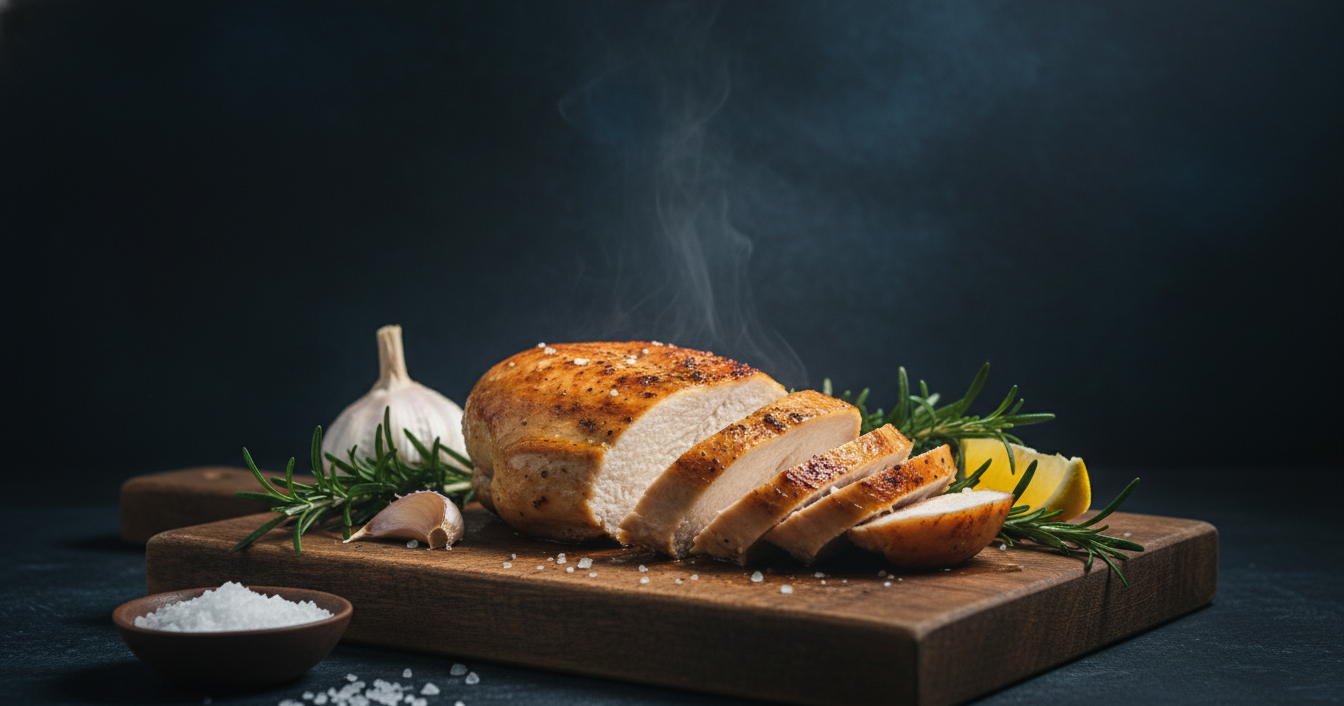
- 1.2kg chicken breast (oven-baked or poached) — gives approximately 6–7 portions
- 500g beef or turkey mince (cooked on the hob with onions and seasoning) — 4–5 portions
- 12 hard-boiled eggs — ready to grab for snacks or additions
Carbohydrate bases:
- 500g dry rice (approximately 1.1kg cooked) — covers 6–7 servings
- 1kg sweet potatoes (roasted in cubes) — 4–5 servings
Vegetables:
- 800g broccoli florets (blanched or oven-roasted)
- 400g cherry tomatoes and 1 bag of mixed salad leaves (kept raw, dressed at meal times)
Estimated cooking time: 2–2.5 hours including prep.
Pro Tip
Use the oven efficiently by cooking multiple items simultaneously. Chicken breasts and cubed sweet potato can both go in at 190°C (fan). The sweet potato takes 25–30 minutes, the chicken 20–25 minutes — stagger them by 5–10 minutes for simultaneous finish.
Seasoning Strategy for Variety
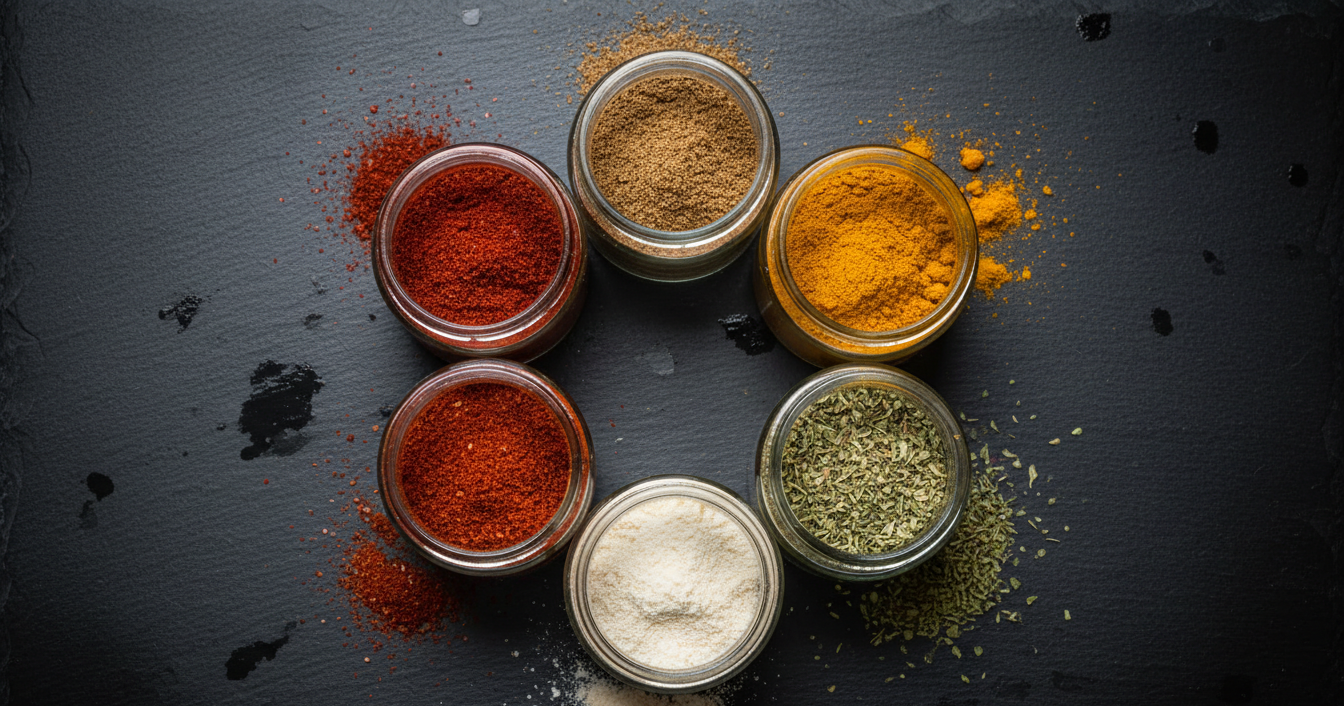
One of the main complaints about batch cooking is monotony. The solution: season each protein batch differently so the same base protein produces different-tasting meals across the week.
Batch 1 (Monday/Tuesday): Italian herbs, garlic, and lemon on the chicken Batch 2 (Wednesday/Thursday): Cajun or smoked paprika spice mix Friday variation: Use the remaining chicken stripped into stir fry with a different sauce
The same 1.2kg of chicken becomes three distinctly different meals without any extra cooking time.
Portioning and Labelling
After cooking, portion and store in airtight containers. Label each container with the contents and date. This isn't pedantry — it prevents the "is this still good?" question at 9pm when you're making dinner.
If you're tracking macros, weigh portions before storing. 200g of cooked chicken breast in a container means you know exactly what you're logging without weighing again at meal time.
Scaling to Your Calorie Needs
The template above is a starting point. Scale quantities based on your specific calorie and protein targets. If your protein target is 180g/day, you need approximately 5.4kg of cooked chicken equivalent per week — adjust raw quantities accordingly.
Keep a simple spreadsheet or note with your target portions per serving so you can quickly scale up or down as your cut progresses and your calorie targets adjust.
Warning
Don't batch cook more than you can safely consume or freeze within the safe refrigeration window. Chicken keeps 3–4 days in the fridge. If your batch covers 7 days, freeze portions for days 5–7 immediately after cooling. Eating questionable protein to avoid waste isn't worth it.
Equipment That Makes Batch Cooking Easier
- Large baking tray (40x30cm+): Fits more chicken without crowding, which causes steaming instead of roasting
- Large lidded saucepan (6L+): For bulk cooking rice and grains
- Glass food storage containers: More hygienic and doesn't retain odours the way plastic does
- Kitchen scales: Essential for accurate portioning
Digital Kitchen Scale
Accurate to 1g. The single most useful tool for hitting macros consistently.
Affiliate link. See our disclosure.
Key Takeaways
- Parallel cooking (oven + hob + prep simultaneously) is the key to efficient batch cooking
- A 2–2.5 hour session can produce protein, carbs, and vegetables for a full working week
- Season each protein batch differently to avoid monotony across the week
- Portion and label containers immediately after cooking for easy macro tracking
- Freeze anything beyond the 3–4 day fridge window immediately after cooling
- Scale quantities to your specific protein and calorie targets, not a generic template
Newsletter
Cut smarter, every Sunday
One deep-dive guide, one recipe, one tip. No spam. No bro-science. Unsubscribe anytime.
More like this