Cutting Fundamentals
Signs Your Cut Is Working
The scale is the most common way people track a cut, but it's also one of the most unreliable daily metrics available. Weight fluctuates for dozens of reasons that have nothing to do with fat loss. Here's how to read progress accurately.
The Scale: Useful but Noisy
Weigh yourself daily and take weekly averages. Compare those weekly averages to each other. A downward trend in your 7-day average — even by 0.3kg — over several weeks is a clear sign your cut is working, regardless of how chaotic the individual daily numbers look.
If your weekly average is moving down by 0.3–0.8kg consistently, you're doing exactly what you should be.
Pro Tip
Weigh yourself first thing in the morning after using the toilet and before eating or drinking. This gives the most consistent baseline. Same time, same conditions, every day.
How Your Clothes Fit
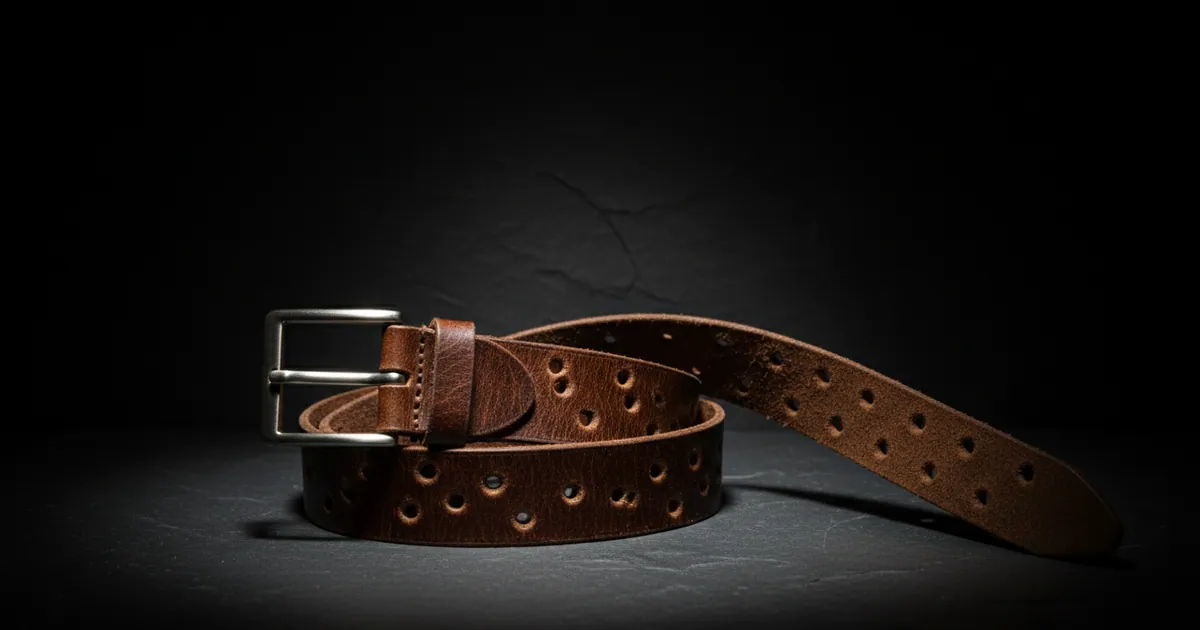
This is often a more meaningful signal than the scale, especially in the first 4–6 weeks when water weight changes can distort things. If trousers that were tight are now comfortable, if belts need to move a notch, if shirts hang differently — fat loss is happening, regardless of what the scale says.
Progress Photos
Take photos every 2 weeks in the same lighting, same pose, same time of day. Weekly comparisons often show nothing obvious. Comparing week 1 to week 6 often shows clear change. Photos capture changes in shape and proportions that the scale can't represent.
Measurements
A tape measure around your waist, hips, chest, and upper arm gives objective data that's independent of water weight. Waist circumference in particular is a reliable indicator of visceral fat loss. If your waist is shrinking, fat is being lost — even if the scale has barely moved.
Performance Markers
A mild calorie deficit shouldn't destroy your performance in the gym. But subtle changes are normal. Signs that suggest your cut is working without being too aggressive:
- Strength stays roughly the same (within 5–10% of your normal)
- You can still complete your training sessions without unusual fatigue
- Energy levels are manageable, if slightly lower than at maintenance
Warning
Significant strength drops — losing 20–30% on your main lifts over a few weeks — suggest your deficit is too large or your protein is too low. This is a sign to adjust, not push harder.
Hunger Levels
Feeling some hunger during a cut is normal and expected — it means your body is in a genuine deficit. The issue is when hunger becomes severe, persistent, and all-consuming. Moderate hunger that's manageable with adequate protein and fibre is a sign things are working as intended.
What If the Scale Isn't Moving?
If your weekly averages are flat for 2–3 weeks, there are a few possibilities:
- Your deficit is smaller than you think (common when people overestimate exercise calories or underestimate food intake)
- You've adapted and need to drop intake by 100–150 kcal
- You're retaining water due to stress, high sodium, or a new exercise stimulus
Before slashing calories, audit your food tracking honestly. Research consistently shows people underestimate food intake by 20–40%, even when they think they're being accurate.
Myprotein Impact Whey
The UK's best-selling protein powder. 21g protein per scoop, under 50p per serving on sale.
Affiliate link. See our disclosure.
Key Takeaways
- Use weekly weight averages, not daily readings, to assess progress
- Clothes fit, tape measurements, and progress photos often show change before the scale does
- Waist circumference is a reliable indicator of fat loss
- Modest hunger is normal; severe, constant hunger suggests your deficit is too aggressive
- A stalled scale for 2–3 weeks usually means your deficit is smaller than you think
Newsletter
Cut smarter, every Sunday
One deep-dive guide, one recipe, one tip. No spam. No bro-science. Unsubscribe anytime.
More like this