Nutrition Science
Artificial Sweeteners During a Cut
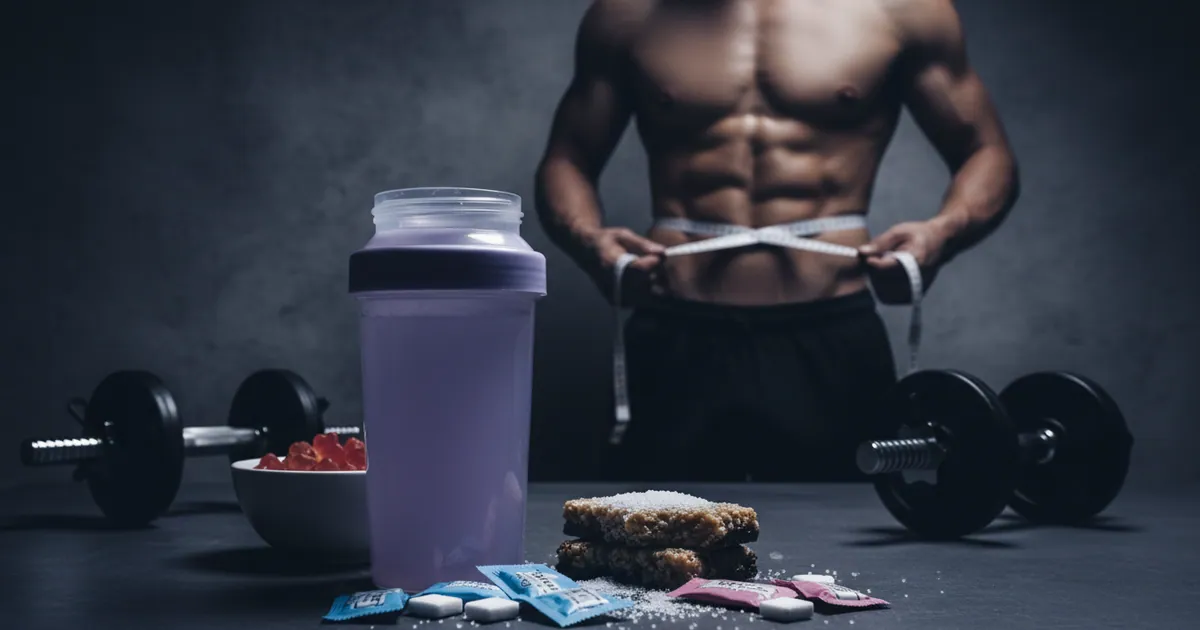
Diet drinks, protein bars, flavoured yogurts, and low-calorie sauces — many of the foods that make cutting more liveable contain artificial or non-nutritive sweeteners. Whether they're safe, whether they affect weight loss, and whether they cause hunger are questions with actual evidence behind them.
What Are Non-Nutritive Sweeteners?
Non-nutritive sweeteners (NNS) provide sweetness with negligible or zero calories. The most common in UK food products:
- Aspartame — found in Diet Coke, sugar-free chewing gum, many low-calorie products
- Sucralose — highly stable at cooking temperatures, common in protein powders, baked goods
- Stevia (technically a plant extract) — considered "natural", increasingly used in protein bars and drinks
- Acesulfame potassium (Ace-K) — often combined with aspartame or sucralose in carbonated drinks
Are They Safe?
The major regulatory bodies — the European Food Safety Authority (EFSA), the FDA, and the WHO — consider approved artificial sweeteners safe for the general population at levels found in typical consumption. The acceptable daily intake for aspartame, for example, is 40mg/kg bodyweight — a 70kg person would need to drink approximately 16 cans of Diet Coke daily to approach this level.
The WHO issued a guidance note in 2023 advising that sweeteners are not recommended as a weight management strategy "over the long term" — but this was based on limited observational evidence and doesn't suggest acute harm. The guidance primarily relates to replacing them with whole food sources as diet quality improves.
Pro Tip
If you enjoy diet drinks and they help you maintain your calorie deficit, they're a legitimate tool. A Diet Coke does not meaningfully impair fat loss. Spending mental energy worrying about diet drinks while undertracking your actual food is misplaced concern.
Do Sweeteners Cause Insulin Spikes?
A persistent claim online suggests that sweet taste — even without sugar — triggers an insulin response that impairs fat loss. The evidence does not support this for most sweeteners in practical amounts.
A 2021 review in Nutrients found that aspartame, sucralose, and stevia did not produce meaningful insulin responses when consumed in isolation in healthy individuals. Sucralose in combination with carbohydrates may slightly augment the insulin response in some people, but this is not relevant for most cut-related uses (drinking it alone or in protein shakes).
Sweeteners and Gut Health
This is where the picture becomes slightly less clear. Some animal studies have shown that very high doses of certain sweeteners (particularly saccharin and sucralose) alter gut microbiome composition. A 2022 study in Cell found that aspartame and sucralose impaired glucose tolerance in some human subjects through gut microbiome changes.
The effect sizes in human studies at realistic doses are small and not consistent across individuals. The practical implication: having a couple of diet drinks daily is unlikely to meaningfully disrupt your gut health, especially if your overall diet is high in fibre and plant diversity.
Warning
If you consume very large quantities of sweetener-containing products — multiple protein bars, several diet drinks, sweetener in every tea and coffee — it may be worth diversifying and not relying on them as a primary hunger-management tool. Variety and whole food focus remain the more robust long-term approach.
Do Sweeteners Increase Appetite?
Some studies have suggested that sweet taste without caloric content might increase subsequent calorie intake by creating a mismatch between sweet flavour and expected energy. The evidence is mixed — several well-controlled studies show no such effect, while others in specific populations show modest increases in appetite.
For most people in practice, diet drinks and low-calorie sweetened foods help manage cravings and reduce calorie intake overall. This is supported by the observational finding that people who use low-calorie products tend to have lower total calorie intakes than those who don't.
Myprotein Impact Whey
The UK's best-selling protein powder. 21g protein per scoop, under 50p per serving on sale.
Affiliate link. See our disclosure.
Key Takeaways
- Approved artificial sweeteners are safe at realistic consumption levels (EFSA, FDA consensus)
- Most sweeteners do not cause meaningful insulin spikes at typical doses
- Gut microbiome effects are real but small at realistic intake levels — variety is still better than heavy reliance
- Evidence does not consistently support the claim that sweeteners increase hunger
- Diet drinks and low-calorie sweetened products are useful tools for making a cut more sustainable
- Don't let sweetener anxiety distract from the variables that actually drive fat loss: calories, protein, and training
Newsletter
Cut smarter, every Sunday
One deep-dive guide, one recipe, one tip. No spam. No bro-science. Unsubscribe anytime.
More like this