Beginner
Beginner Workout for Weight Loss — Start Your Fitness Journey
Duration: 15 minutes | Difficulty: Beginner | Focus: Full-body
Starting a fitness journey is overwhelming. There are a thousand programs, conflicting advice, and the nagging fear that you'll look like you don't know what you're doing. Here's the truth: every single person who steps into a gym or unrolls a mat at home started exactly where you are.
This workout is designed for absolute beginners. No equipment. No prior experience required. Just 15 minutes of intentional movement that will kickstart your metabolism, build foundational strength, and prove to yourself that you can do this.
The goal isn't intensity — it's consistency. Do this workout 4-5 times per week, pair it with a modest calorie deficit, and you will lose weight. It's that simple.
Fuel This Workout
As a beginner, your nutrition strategy should be simple: create a modest calorie deficit (300-500 calories below maintenance) and eat enough protein to preserve muscle while you lose fat.
Pre-Workout
If training in the morning (fasted):
- 12-16 oz water
- Black coffee or green tea (optional)
- No food required for a 15-minute beginner session
If training in the afternoon/evening:
- Eat your last meal 2-3 hours before working out
- Keep it light: a salad with protein, a small smoothie, or a protein shake
- Avoid heavy, fatty meals before training — they'll sit in your stomach and make you sluggish
Your first nutrition win: Replace one sugary drink per day with water. That's 200-400 calories saved immediately. Do this for a week before worrying about anything else.
Post-Workout
The beginner refeed:
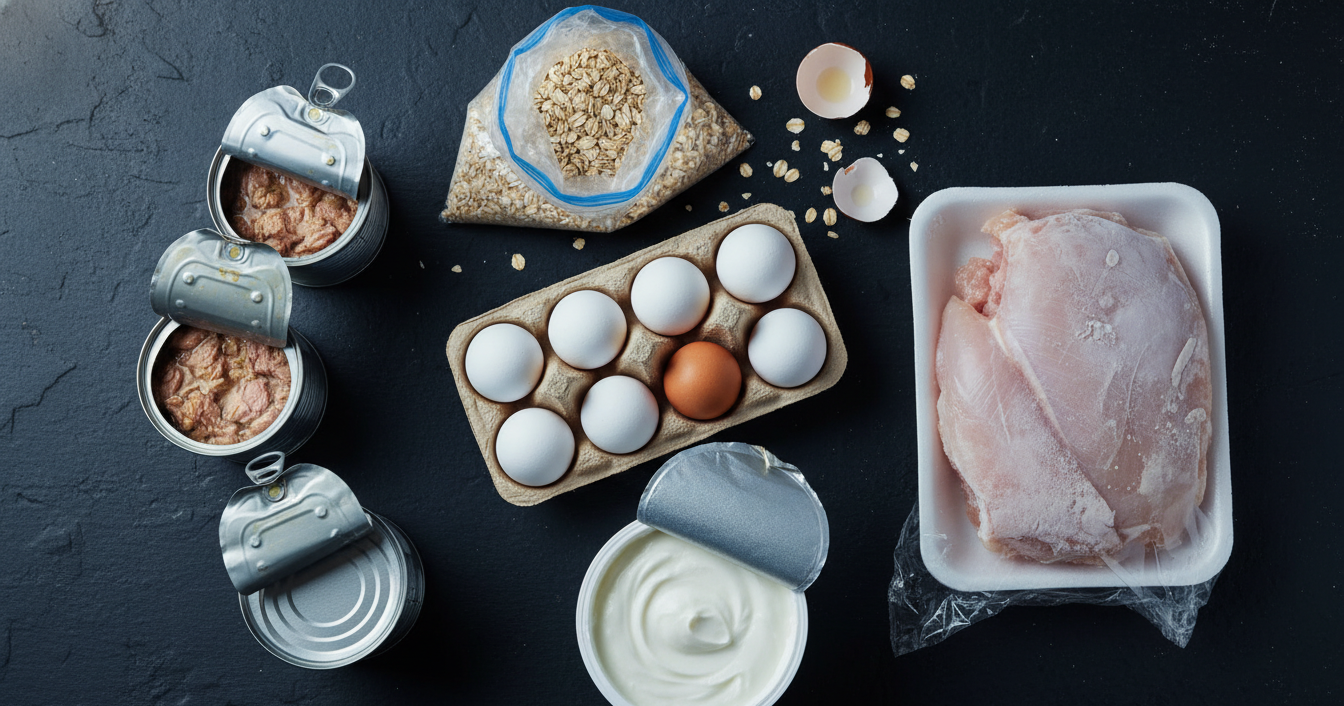
- Protein: 20-30g within 2 hours. A Katabolic protein shake, a chicken breast, or Greek yogurt
- Hydration: 16-20 oz water
- Carbs (optional): Only if you're genuinely hungry. Vegetables or a piece of fruit
Don't overthink it. At this stage, the most important thing is that you eat enough — not too little. Undereating on a cut leads to low energy, poor recovery, and eventually quitting. A 300-500 calorie deficit is enough to lose 0.5-1 lb per week. More is not better.
Hydration
| Phase | Amount |
|---|---|
| Pre-workout | 12-16 oz water (add squeeze of lemon for taste) |
| Intra-workout | 4-6 oz water between exercises if needed |
| Post-workout | 16-20 oz water — spread over the next hour |
Katabolic Tip: Thirst is often mistaken for hunger. Before reaching for a snack, drink 12 oz of water and wait 10 minutes. You might find you weren't hungry after all. This single habit can save 100-300 calories per day.
Tips & Modifications
Building the habit
- Schedule it. Pick the same time every day. Morning works best because nothing gets in the way yet.
- Set a 15-minute timer. That's all you need. If you're struggling with motivation, tell yourself: "I'll just do 5 minutes." You'll almost always finish the full 15 once you start.
- Track your wins. Check a box on a calendar each day you complete the workout. Visual streaks are powerful motivators.
Progressions (for when this feels easy)
| Exercise | Beginner | Intermediate | Advanced |
|---|---|---|---|
| Marching in Place | Slow march | Fast march + high knees | Jogging in place |
| Wall Push-Ups | Wall (close) | Counter/table incline | Floor knee push-ups |
| Sit-to-Stand Squats | High chair (with hands) | Low chair (no hands) | Full bodyweight squats |
| Side Leg Lifts | 6-inch range | Full range | Slow 3-second negatives |
| Seated Knee Lifts | Toe taps | Full knee lifts | Bicycle crunches |
Warning signs (slow down or stop)
- Sharp pain (not muscle fatigue) — stop and assess
- Dizziness — sit down, drink water, wait 5 minutes
- Nausea — you went too hard too fast. Reduce intensity next time
- Joint pain (knees, hips, lower back) — modify the movement or see a professional
Beginner nutrition mistakes to avoid
- Drastically cutting calories: Eating 1,200 calories when you need 1,800 will leave you exhausted, irritable, and unable to recover. Start with a 300-calorie deficit.
- Cutting out all carbs: Your beginner body needs glucose for energy. Eat vegetables, fruit, and whole grains. Just reduce portion sizes.
- Skipping meals: You'll overeat later. Eat 3-4 moderate meals instead of 1-2 large ones.
- Relying on willpower: Environment matters more than willpower. Remove junk food from your home. Prep healthy options you can grab.
Your Journey Starts Here
You don't need a gym membership, expensive equipment, or a complicated meal plan to start losing weight. You need 15 minutes, a wall, a chair, and the commitment to show up for yourself. That's it.
Start today. Not next Monday. Not January 1st. Today.
[Katabolic Starter Kit — $79.99] — Whey Isolate (25 servings) + Hydration electrolytes (30 servings) + Shaker bottle. Everything you need for your first month of training. Shop → https://katabolic.com/shop/starter-kit (affiliate link)
[Katabolic Beginner Meal Plan — Free PDF] — 7 days of meals at 1,500, 1,700, and 2,000 calories. Pre-calculated macros, simple recipes, grocery list included. Download → https://katabolic.com/shop/beginner-meal-plan (affiliate link)
[Katabolic Digital Training Log — $12.99] — Track your workouts, meals, and measurements in one place. See your progress over weeks, not days. Shop → https://katabolic.com/shop/training-log (affiliate link)
Katabolic is reader-supported. When you buy through links on our site, we may earn an affiliate commission. Learn more →
Newsletter
Cut smarter, every Sunday
One deep-dive guide, one recipe, one tip. No spam. No bro-science. Unsubscribe anytime.
More like this