Nutrition Science
Flexible Dieting (IIFYM)
IIFYM — If It Fits Your macros — is an approach to dieting that focuses on hitting daily macro and calorie targets rather than restricting specific foods. In principle, any food is acceptable as long as it fits within your numbers. It's a counterpoint to rigid clean eating and has both genuine advantages and some limitations worth understanding.
The Core Premise
The fundamental insight of IIFYM is that fat loss is driven by energy balance, not food morality. A gram of protein from chicken breast and a gram of protein from a protein bar are metabolically equivalent for the purpose of meeting your daily target. A calorie from a biscuit doesn't behave fundamentally differently from a calorie from broccoli when it comes to the net energy balance equation.
This is largely true — and it's a useful corrective to the "clean eating or nothing" mentality that causes many people to abandon their diet entirely after one "impure" meal.
Why Flexible Dieting Works
Adherence. Multiple studies have found that rigid dietary restraint predicts greater likelihood of binging and dietary abandonment than flexible restraint. A 2002 study by Westenhoefer et al. found that flexible dietary control was associated with lower BMI and fewer overeating episodes than rigid all-or-nothing approaches.
Sustainability. A diet that accommodates a birthday cake slice, a restaurant meal, or a Friday night drink is inherently more compatible with real life than one that doesn't. This translates to longer adherence, which is the biggest driver of diet success.
Reduced guilt. When no food is forbidden, eating an "off-plan" food doesn't carry moral failure. This reduces the psychological spiral of guilt → restriction → binge that rigid diets frequently produce.
Pro Tip
The 80/20 principle works well in practice: aim to get 80% of your calories from whole, nutrient-dense foods and allow 20% to come from more flexible choices. This maintains micronutrient adequacy while preserving the psychological freedom IIFYM is designed to provide.
Where IIFYM Falls Short
The "any food counts" framing, taken literally, creates problems:
Micronutrient gaps. A diet that hits calorie and macro targets from processed food, bars, and shakes may be nutritionally poor. Fibre, vitamins, minerals, and phytochemicals can't be "macro'd" — they come from food quality, not just macros.
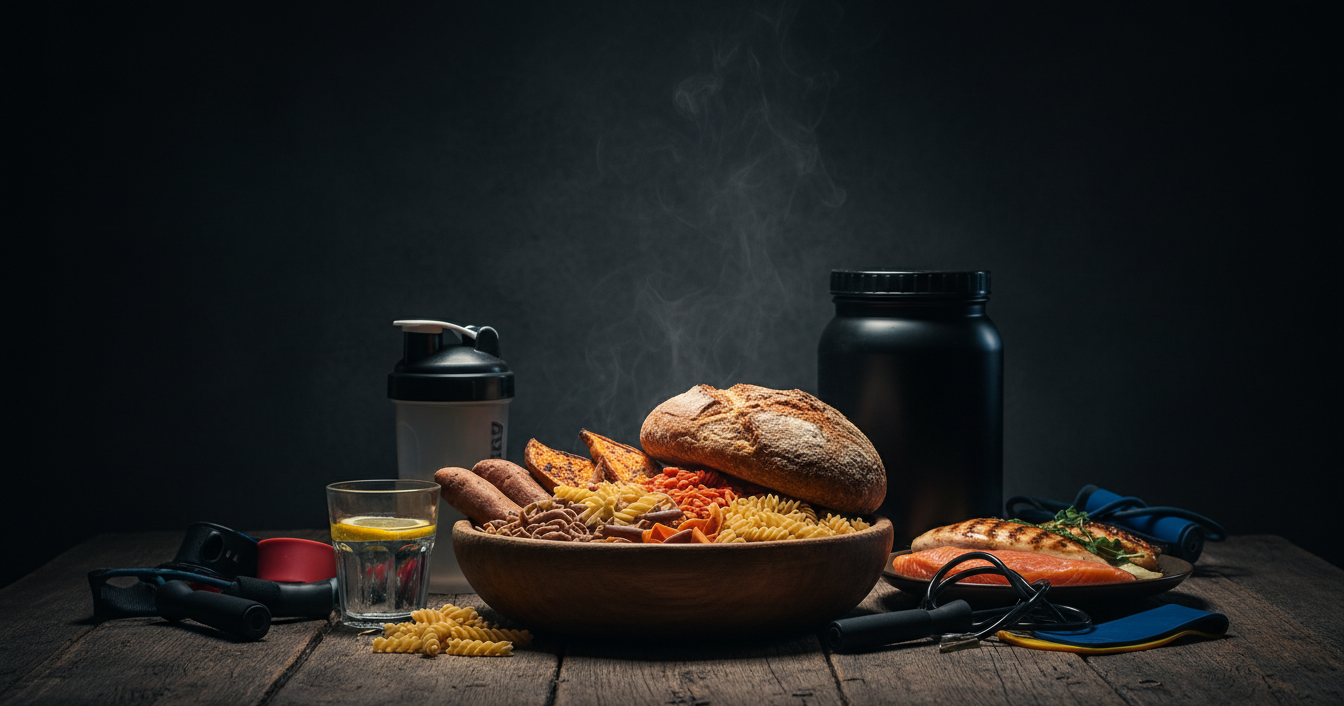
Satiety differences. 500 kcal from chicken, rice, and vegetables feels very different from 500 kcal from processed snacks. Whole foods are typically more satiating per calorie, contain more fibre, and support gut health better. Using IIFYM to justify a diet of primarily processed food tends to make hunger management harder.
Tracking accuracy. IIFYM requires accurate tracking to work. Without a food scale and consistent logging, the precision that makes the approach work disappears, and you're just eating freely and calling it IIFYM.
Warning
"It fits my macros" can become a rationalisation for poor food choices. Flexible dieting is most effective when the flexibility is used for social situations, treats, and variety — not as the dominant framework for daily food selection.
Practical IIFYM During a Cut
Set your macro targets, track consistently, and use your macro budget strategically:
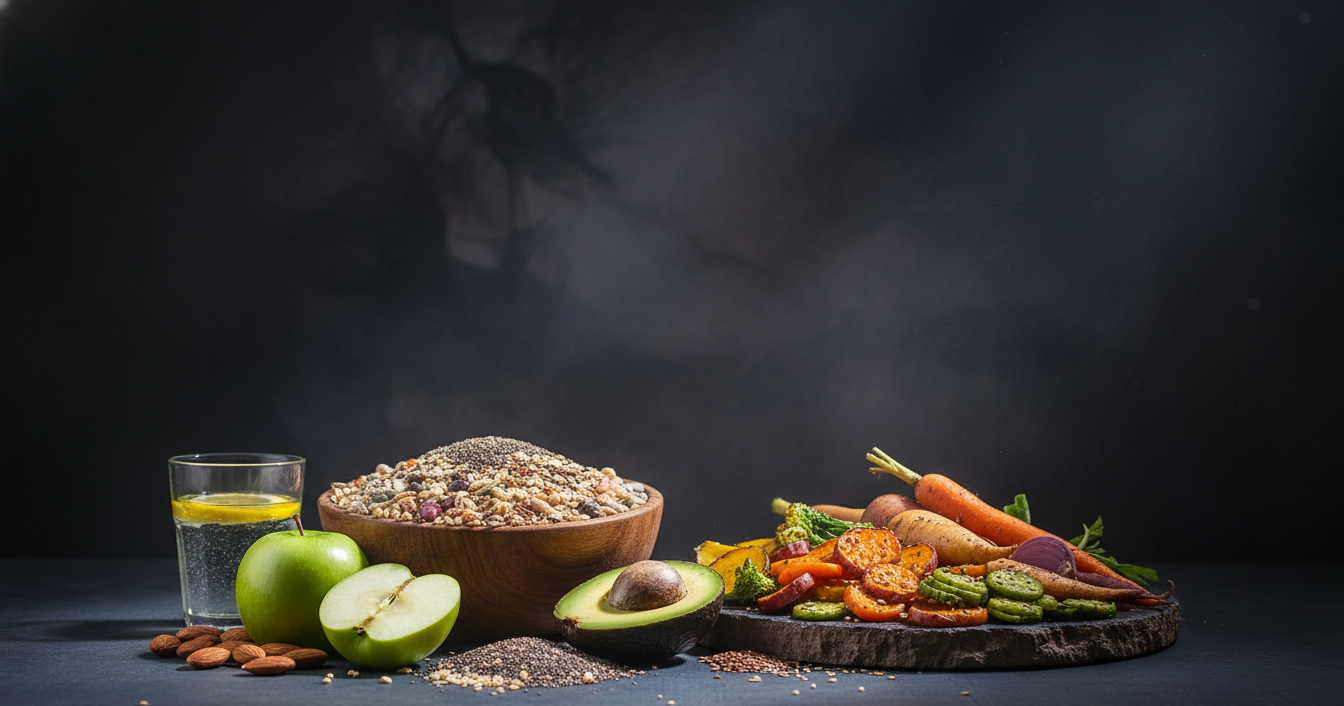
- Fill 70–80% of your calories with protein-dense whole foods, vegetables, fruits, and wholegrains
- Use 15–20% for personal preference foods that make the diet liveable — a bit of chocolate, a meal out, a beer at the weekend
- Reserve the remainder for flexibility and situational variation
This isn't pure IIFYM, and it isn't clean eating. It's the pragmatic middle ground that most successful long-term dieters actually follow.
Greens Powder
Quick micronutrient insurance for days when vegetable intake is low.
Affiliate link. See our disclosure.
Key Takeaways
- IIFYM focuses on hitting macro targets over restricting specific foods — fat loss is driven by energy balance
- Flexible restraint is associated with better adherence and fewer binge episodes than rigid approaches
- The 80/20 principle prevents micronutrient gaps — whole foods for most of your intake, flexibility for the rest
- Satiety per calorie differs between whole and processed foods — IIFYM doesn't make them equivalent in hunger management
- Accurate tracking is required for IIFYM to work — it's not permission to eat freely
- Flexible dieting suits people who struggle with all-or-nothing food rules
Newsletter
Cut smarter, every Sunday
One deep-dive guide, one recipe, one tip. No spam. No bro-science. Unsubscribe anytime.
More like this