Nutrition Science
Tracking Macros: Beginner Guide
Tracking macros is one of the most effective tools for managing body composition — but the learning curve puts many people off before they get started. This guide covers everything a complete beginner needs to go from "I don't know where to start" to confidently tracking a full day's nutrition.
What Are Macros?
Macros (macronutrients) are the three primary components of food that provide calories:
- Protein: 4 kcal per gram — primary building block for muscle, highest satiety
- Carbohydrates: 4 kcal per gram — primary fuel source, especially for training
- Fat: 9 kcal per gram — essential for hormonal function and fat-soluble vitamins
Tracking macros means measuring and recording how many grams of each you consume daily, rather than just counting total calories. This approach gives you more control over body composition — you can prioritise protein for muscle retention while adjusting carbs and fat around your total calorie target.
Step 1: Calculate Your Targets
Before you track anything, you need a target. Use a TDEE calculator to estimate your total daily energy expenditure, then subtract your chosen deficit (300–500 kcal for a moderate cut).
From your calorie target, set your macro split:
- Set protein first: 1.8–2.4g per kg of bodyweight
- Set fat minimum: At least 0.8g per kg of bodyweight (for hormonal health)
- Fill remaining calories with carbohydrates
Example for an 80kg person at 1,900 kcal/day:
- Protein: 160g (640 kcal)
- Fat: 65g (585 kcal)
- Carbs: 169g (675 kcal)
Step 2: Get a Food Scale
This is non-negotiable. A digital kitchen scale costs £10–15 and is the single most important piece of equipment for accurate tracking. volume measurements (cups, spoons) are unreliable for dense foods like peanut butter, rice, and meat. Weighing food raw, before cooking, produces the most consistent results.
Pro Tip
Weigh raw wherever possible — cooked weights of the same food vary significantly depending on cooking method and duration. If you cook rice for 20 minutes versus 30, the cooked weight changes substantially. Raw weights are consistent.
Step 3: Choose a Tracking App
MyFitnessPal is the most widely used and has the largest food database — useful for UK-specific products. Cronometer is more accurate for micronutrient tracking. Nutracheck is a UK-specific app with good supermarket database coverage.
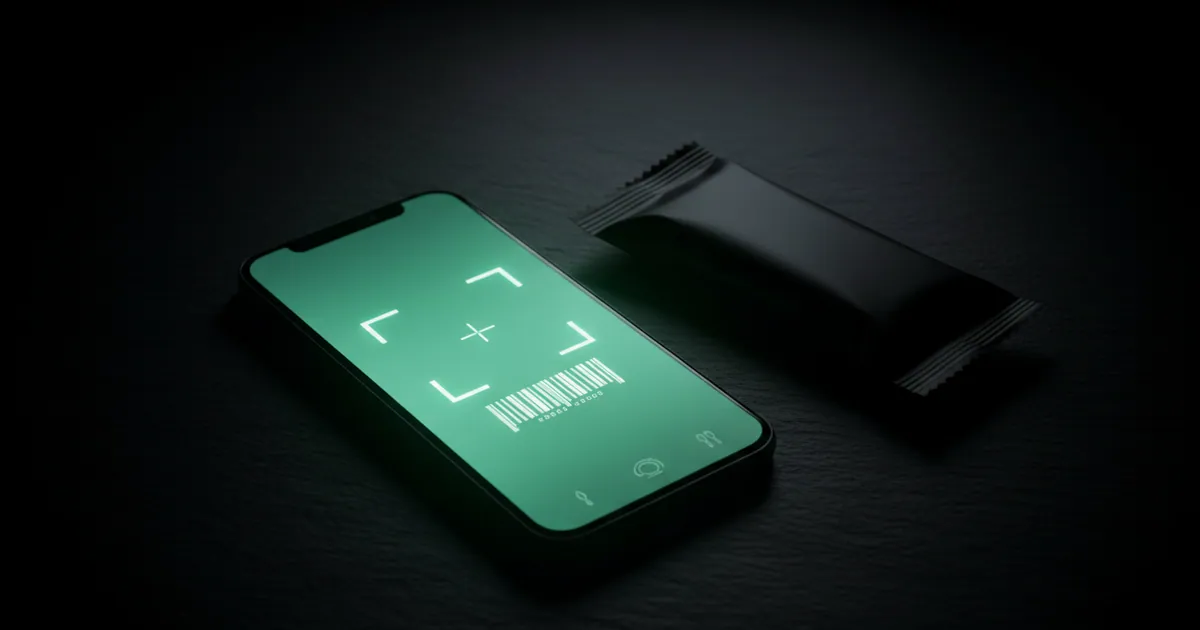
Most apps work the same way: scan a barcode or search for a food, enter the weight you consumed, and the app calculates macros and calories.
Step 4: Start Tracking
For your first week, don't try to hit perfect targets — just track honestly. Log everything, including cooking oils, sauces, drinks with calories, and small snacks. Understanding what you're actually eating before trying to change it is the most important first step.
After 1–2 weeks, review your average intake and adjust to reach your targets.
Common Beginner Mistakes
Eyeballing instead of weighing. Studies consistently show people underestimate portions — often by 30–50%. Weigh everything for the first 4–6 weeks until you develop accurate intuition.
Not logging cooking fats. A tablespoon of oil adds 120 kcal. If you cook with oil regularly and don't log it, your actual intake may be significantly higher than tracked.
Ignoring liquid calories. Lattes, fruit juice, smoothies, and protein shakes all have calories and macros that count.
Abandoning the app when life gets complicated. You don't need perfect tracking every day. Estimate when you can't weigh — a rough log is far better than no log at all. A day of estimates every week doesn't undermine the data from the other 6.
Warning
Tracking can become obsessive for some people. If you find yourself anxious about food logging, distressed when you miss a day, or measuring food at restaurants, it's worth stepping back and reassessing your relationship with tracking. Tools should reduce stress, not create it.
How Long Should You Track?
Most people who track consistently for 8–12 weeks develop enough dietary intuition to maintain their goals with looser tracking or no tracking. The goal of tracking isn't to do it forever — it's to build knowledge of what you're eating so you can eventually manage your diet accurately by feel.
Myprotein Impact Whey
The UK's best-selling protein powder. 21g protein per scoop, under 50p per serving on sale.
Affiliate link. See our disclosure.
Key Takeaways
- Macros are protein (4 kcal/g), carbs (4 kcal/g), and fat (9 kcal/g)
- Set protein first (1.8–2.4g/kg), then fat minimum (0.8g/kg), then fill with carbs
- A food scale is essential — volume measurements are unreliable
- Log everything including cooking oils, sauces, and liquid calories
- Aim for honest tracking before perfect tracking in your first 1–2 weeks
- The long-term goal is building dietary intuition, not tracking indefinitely
Newsletter
Cut smarter, every Sunday
One deep-dive guide, one recipe, one tip. No spam. No bro-science. Unsubscribe anytime.
More like this