Meal Prep
Work Lunch Meal Prep
Lunch is the meal most likely to derail a cut. You're at work, busy, and a meal deal, canteen item, or restaurant is the path of least resistance. Preparing your own lunch is the single most effective thing most office workers can do to improve dietary adherence during a cut.
Why Work Lunch Matters Disproportionately
Lunch is the meal where:
- You have the least control over your environment
- Time pressure is highest
- Convenient, high-calorie commercial options are most available
- The "everyone else is doing it" social dynamic is strongest
A well-prepped lunch removes all of these as failure points simultaneously. It's 2 minutes of microwave time instead of a queue, a set of known macros instead of an estimate, and social proof — most colleagues will be vaguely impressed, not judgemental.
The Ideal Work Lunch Structure
The goal is a meal that:
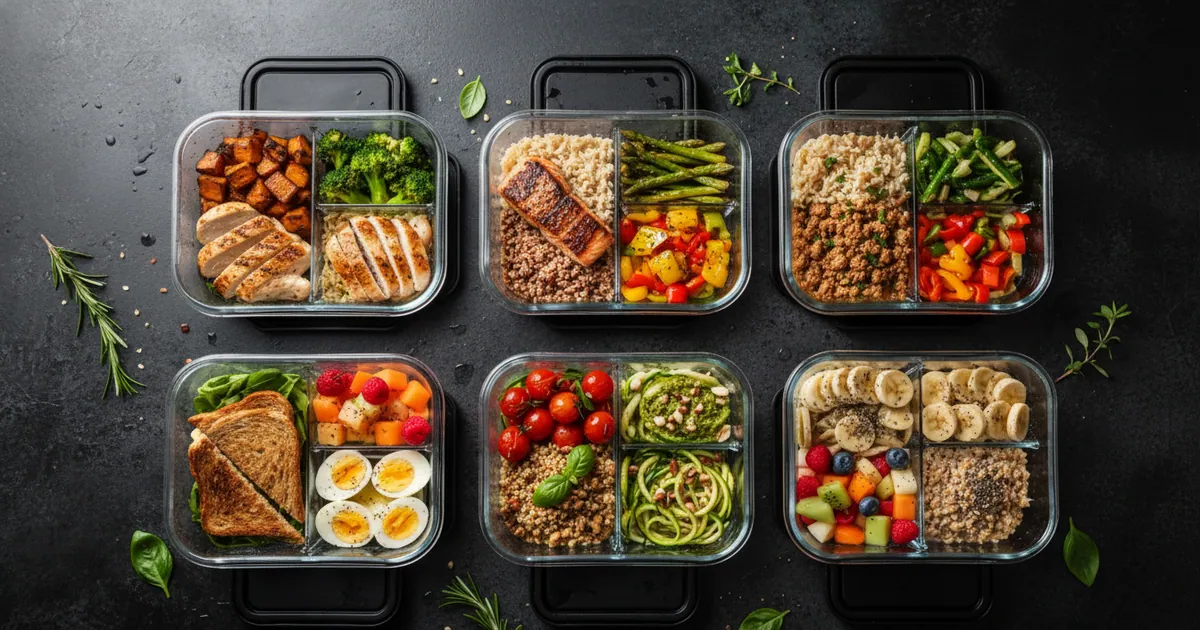
- Can be prepped in bulk on Sunday
- Reheats well (or is intended to be cold)
- Contains 35–50g protein
- Has reasonable volume for satiety
- Travels well in a container
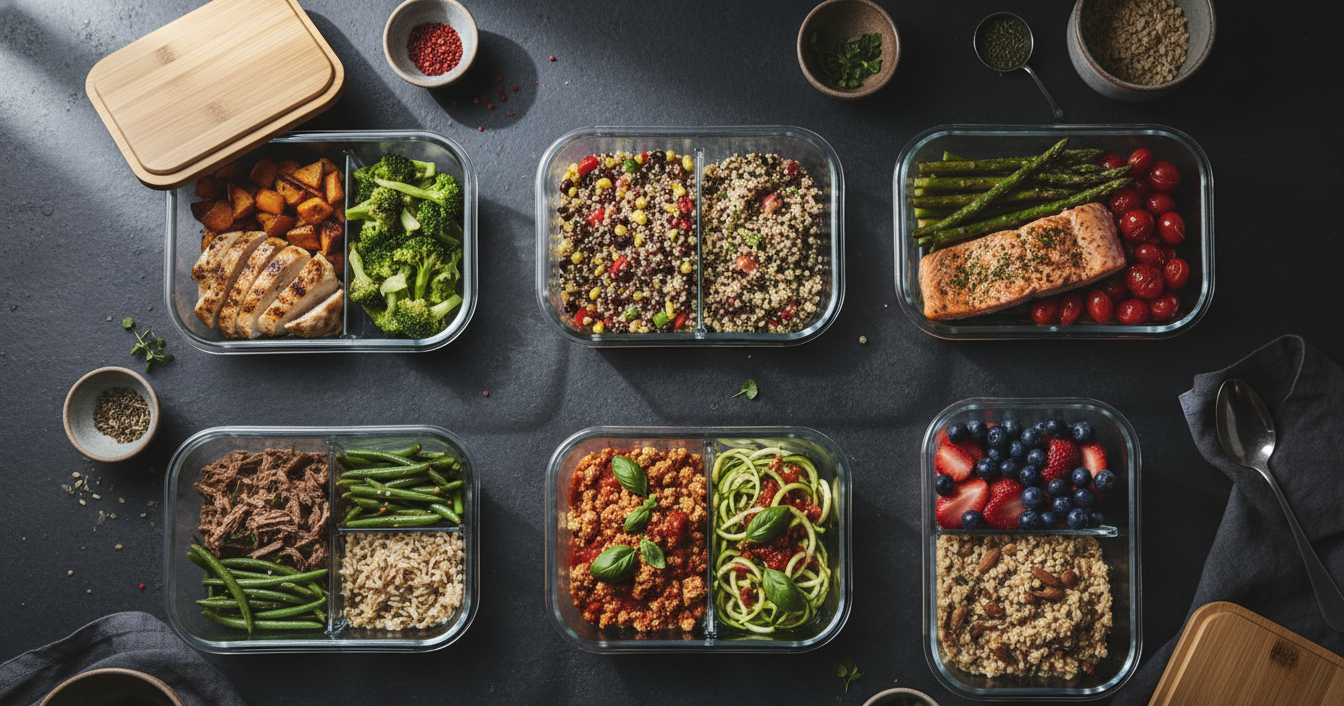
A practical template: protein + carbohydrate base + vegetables + sauce/dressing.
Examples:
- Chicken breast (160g) + brown rice (150g cooked) + roasted broccoli (150g) + hot sauce
- Turkey mince bolognese + wholegrain pasta (150g cooked) + mixed leaves on the side
- Tuna (2 tins, drained) + quinoa (120g cooked) + cherry tomatoes + cucumber + balsamic
- Salmon fillet (120g) + sweet potato mash (150g) + steamed green beans
Pro Tip
Salad-based lunches with grilled protein are excellent in summer and for cold prep — they don't require a microwave. Mason jar salads (dressed at the bottom, leaves at the top) stay fresh for 2–3 days. Great for rotation alongside your hot options.
Equipment for Work Lunch Success
Insulated lunch bag: Keeps food cold on the commute. Important for food safety when carrying prepped meals.
Leakproof containers: Stackable glass or BPA-free plastic containers. Glass is better for microwaving and doesn't retain odours.
Small ice pack: Keeps perishable items safe if you don't have fridge access at work.
Set of cutlery kept at work: Eliminates the "I forgot a fork" problem.
Time-Saving Shortcuts
For weeks when full meal prep didn't happen:
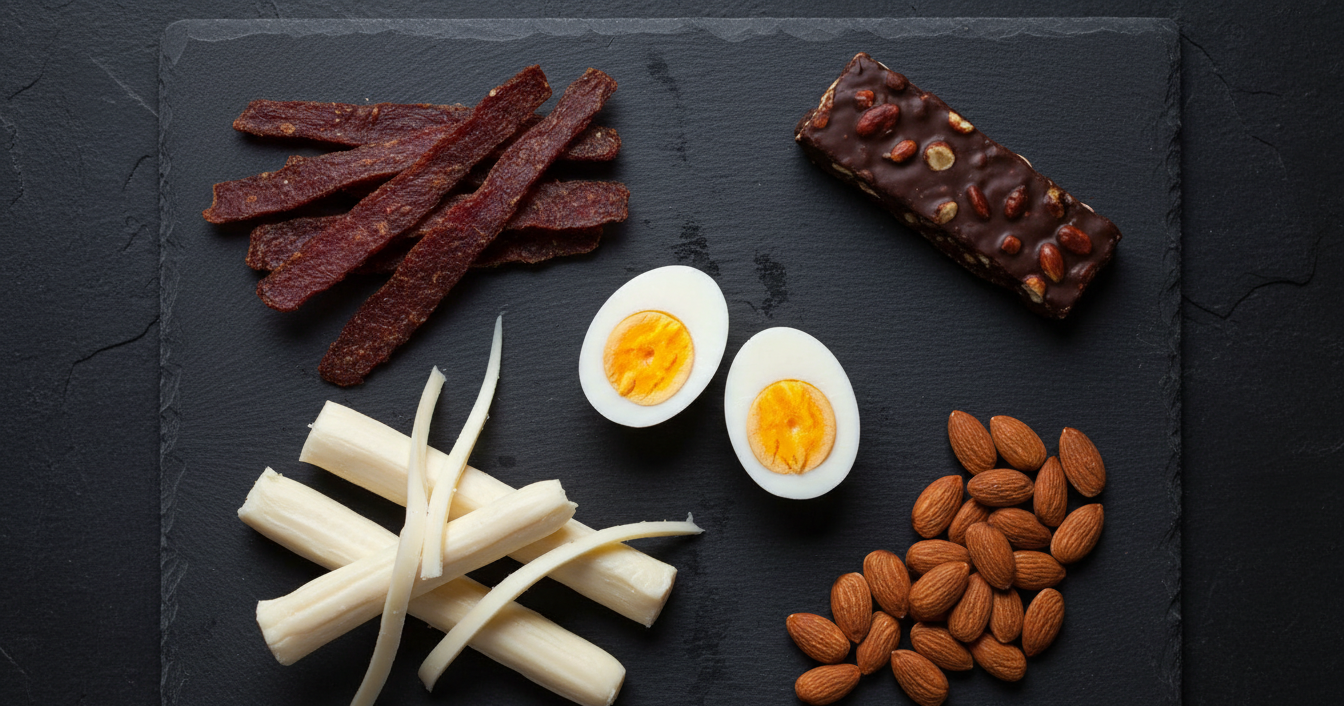
- Packet pouches: Merchant Gourmet quinoa and lentil pouches, Uncle Ben's microwave rice, tinned fish — all can produce a reasonable lunch in under 5 minutes with minimal prep
- Supermarket rotisserie chicken: Available cheaply at most UK supermarkets, already cooked, easy to portion
- Soup + protein: A tinned or carton soup with a protein source (boiled eggs, tinned fish, a small pouch of chicken) covers macros without cooking
- Pre-cooked frozen chicken: Several UK brands offer frozen pre-cooked chicken that microwaves in 4–5 minutes
Warning
Canteen and shop-bought lunches in the UK average 600–900 kcal for a standard meal deal (sandwich + crisps + drink), with often poor protein content. Even a modest home-prepped alternative is typically 200–300 kcal lower with significantly more protein. The habit change is worth the planning.
Managing Social Eating at Work
Occasional team lunches or working lunches happen. Have a strategy:
- Choose a protein-centred option from whatever is on offer
- Skip or reduce the sides rather than the main
- Eat your prepped lunch on the days you have control and adapt on the occasions you don't
- Don't bring your container to a social lunch — save the prepped food for an adjacent day
Being flexible about social occasions while being consistent on normal days is a more sustainable approach than either rigid refusal of all social food or abandoning prep entirely.
Glass Meal Prep Containers
Microwave-safe glass with snap lids. Worth upgrading from plastic.
Affiliate link. See our disclosure.
Key Takeaways
- Work lunch is the highest-risk meal for dietary derailment — preparation removes the failure point
- A protein + carb base + vegetables + sauce template produces varied, satisfying lunches
- Prep 4–5 portions on Sunday; supplement with shortcut options for unpredictable weeks
- A leakproof container, insulated bag, and basic storage equipment are all you need
- Canteen and meal deal lunches average 600–900 kcal with poor protein — a home-prepped alternative is substantially better
- Be flexible for social occasions; protect your prep days from avoidable last-minute changes
Newsletter
Cut smarter, every Sunday
One deep-dive guide, one recipe, one tip. No spam. No bro-science. Unsubscribe anytime.
More like this