Nutrition Science
Micronutrients During a Cut
Counting macros and hitting calorie targets gets most of the attention in a cut, but micronutrient intake is quietly important — and deficiencies are common when you're eating less food overall. Certain vitamins and minerals directly affect energy production, hormonal function, and training performance.
Why Micronutrient Risk Increases During a Cut
Simple arithmetic: eating fewer calories typically means eating less food volume. Less food volume means fewer micronutrients, assuming diet quality stays the same. If food quality also decreases — more processed convenience foods to hit easy macro targets — the micronutrient deficit compounds.
The most at-risk nutrients during a cut are those requiring significant food variety and volume to obtain adequate amounts.
Key Micronutrients to Prioritise
Iron. Iron is essential for oxygen transport (haemoglobin) and energy metabolism. Iron deficiency is the most common nutritional deficiency globally, and anaemia-level deficiency causes significant fatigue and reduced exercise capacity. Women are at higher risk due to menstrual losses. Good sources: red meat, organ meat, dark leafy greens (with vitamin C to enhance absorption), lentils.
Zinc. Zinc is required for testosterone synthesis, immune function, and protein metabolism. A 2023 review found zinc intake falls below recommended levels in approximately 40% of people cutting on reduced-meat diets. Good sources: beef, shellfish (particularly oysters), pumpkin seeds, chickpeas.
Magnesium. Magnesium is involved in over 300 enzymatic reactions, including energy production and muscle contraction. It also plays a significant role in sleep quality. Deficiency is common — particularly in those eating few dark leafy greens or nuts. Good sources: pumpkin seeds, spinach, almonds, black beans.
Vitamin D. Vitamin D deficiency affects an estimated 1 in 5 UK adults, with levels typically lowest in late winter and early spring. Vitamin D influences testosterone levels, immune function, and mood. During a cut, calorie restriction doesn't make D deficiency worse, but starting from a deficient state matters. A 10mcg supplement daily is NHS-recommended for UK adults year-round.
B vitamins (particularly B12, B6, folate). B vitamins are critical for energy metabolism. B12 is found almost exclusively in animal products — those reducing meat during a cut or eating primarily plant-based should supplement. Good sources: meat, fish, eggs, dairy (B12); poultry, fish, potatoes (B6); dark leafy greens, legumes (folate).
Pro Tip
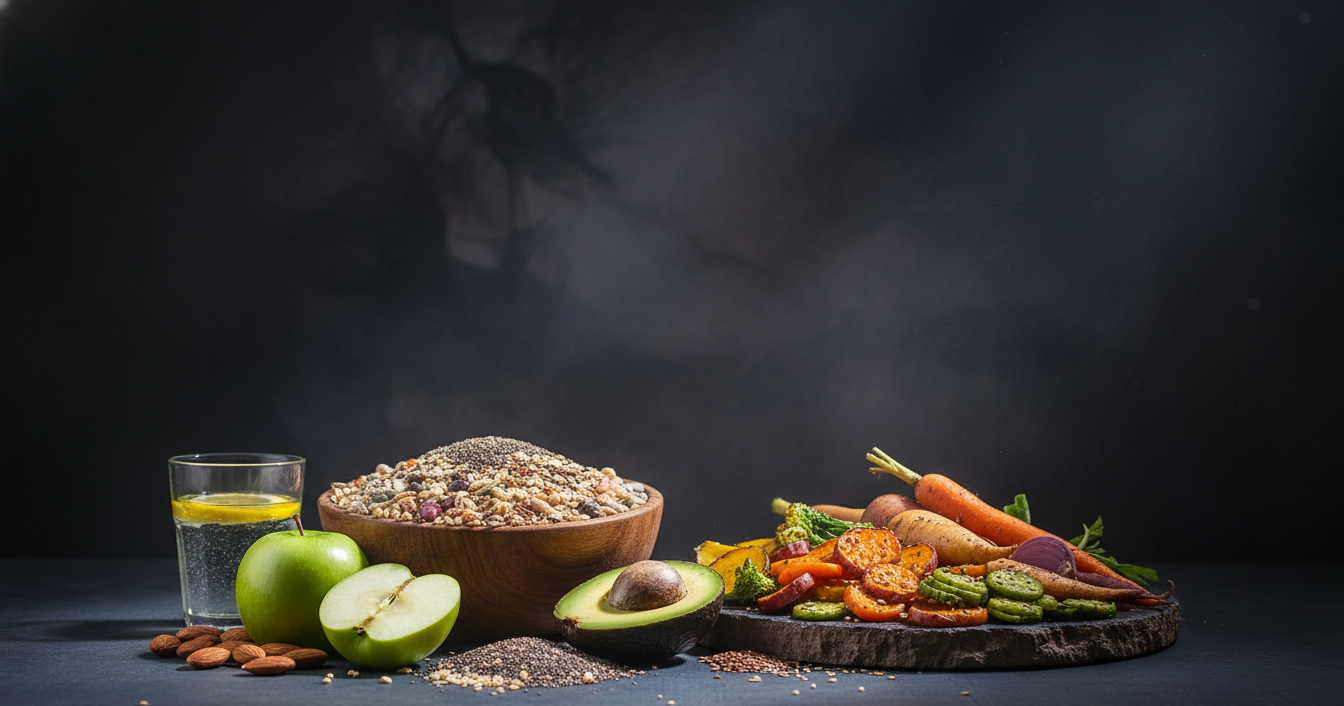
Eating a wide variety of colourful vegetables daily is the most effective and low-effort way to cover most micronutrient bases during a cut. "Eating the rainbow" isn't just marketing — different pigments in plants (carotenoids, anthocyanins, chlorophyll) reflect different phytochemical and micronutrient profiles.
Electrolytes During a Cut
When carbohydrate and food intake decreases, kidneys excrete more sodium and potassium. Combined with increased sweating during training, electrolytes losses can be significant — contributing to:
- Fatigue and brain fog
- Muscle cramps during training
- Reduced exercise performance
- Headaches (particularly on low-carb approaches)
Ensure adequate sodium from food (don't be afraid to use salt when cooking), potassium from fruit, vegetables, and potatoes, and magnesium as above.
Warning
The common advice to avoid sodium is often misapplied during a cut. While excess sodium causes water retention, appropriate sodium intake is essential for electrolyte balance, particularly for active people. Drastically restricting sodium while training and restricting calories can worsen fatigue.
Should You Take a Multivitamin?
A multivitamin is an insurance policy, not a substitute for diet quality. A 2021 Cochrane review found multivitamins provided no health benefit in well-nourished adults, but they provide modest protection against deficiencies that can develop during calorie restriction.
For most people cutting, a basic daily multivitamin, separate vitamin D (10mcg), and fish oil (for omega-3s if oily fish intake is low) covers the main risks without breaking the bank. These are pragmatic insurance — not performance enhancers.
Greens Powder
Quick micronutrient insurance for days when vegetable intake is low.
Affiliate link. See our disclosure.
Key Takeaways
- Eating less food increases micronutrient deficiency risk — food quality becomes more important during a cut
- Prioritise iron, zinc, magnesium, vitamin D, and B vitamins
- UK adults should supplement 10mcg vitamin D daily year-round (NHS recommendation)
- Electrolytes (sodium, potassium, magnesium) need attention during training on a deficit
- A basic multivitamin is a reasonable insurance policy, not a performance tool
- Eating a wide variety of colourful vegetables daily covers most micronutrient needs
Newsletter
Cut smarter, every Sunday
One deep-dive guide, one recipe, one tip. No spam. No bro-science. Unsubscribe anytime.
More like this